Jemaa el-Fna is the great square at the heart of the Marrakech medina, and it is best experienced from late afternoon into the evening, when food stalls, musicians, storytellers and crowds fill the space. In the morning it is quieter, with orange juice stands and a few performers. The square is part of the UNESCO-listed medina, and its living traditions of storytelling and music are recognised by UNESCO as intangible cultural heritage. Here is how to enjoy it without stress.
| Time | What you see |
|---|---|
| Morning | Fresh orange juice stalls, dried fruit sellers, a calm square |
| Afternoon | Henna artists, snake charmers, water sellers in red costumes |
| Sunset | Food stalls set up, smoke rises, musicians and circles of spectators form |
| Night | The square at its busiest: dinner, Gnawa music, games and storytellers until late |
The best moment is the hour around sunset. Find a seat on a café terrace overlooking the square, watch the stalls light up, then go down and join the crowd.
Every evening, dozens of numbered stalls are set up with long benches. They serve grilled meat and fish, salads, tagines, harira soup, snail soup and, for the brave, sheep's head. A few tips:
Want to learn to cook these dishes yourself? Try our Moroccan cooking class in Marrakech, or read our Moroccan food guide.

As night falls, circles of spectators (the halqa) form around musicians, Gnawa groups with drums and metal castanets, acrobats and storytellers. The stories are told in Darija, so you will not understand the words, but the atmosphere is the point. It is polite to give a few dirhams when the hat comes round, especially if you stayed to watch or took photos. To learn more about the square's heritage, see the Jemaa el-Fnaa article on Wikipedia.
Performers, water sellers and henna artists expect payment if you take their picture. Ask before you shoot, or keep your camera for wide shots of the square. Never photograph people who clearly do not want to be photographed.
You will see snake charmers and, sometimes, chained monkeys. These shows raise real animal welfare concerns, and the Barbary macaque is an endangered species. We recommend not paying for photos with animals.
Morocco is generally a safe destination; read our full guide Is Morocco safe for tourists?.
From Jemaa el-Fna, the souks start just to the north, and the Koutoubia Mosque is a five-minute walk to the west. Many travellers explore the square at the end of a guided day in the medina; our private Marrakech city tour includes the square. For a complete plan, see our 3 days in Marrakech itinerary and our list of things to do in Marrakech.
Both are great evenings out, and very different. The square is noisy, crowded and full of life. A dinner show in the Agafay desert is calm and starry, with a sunset camel ride before. Many guests do one of each.
Marrakech in a Day: Private Guided Cultural City Tour
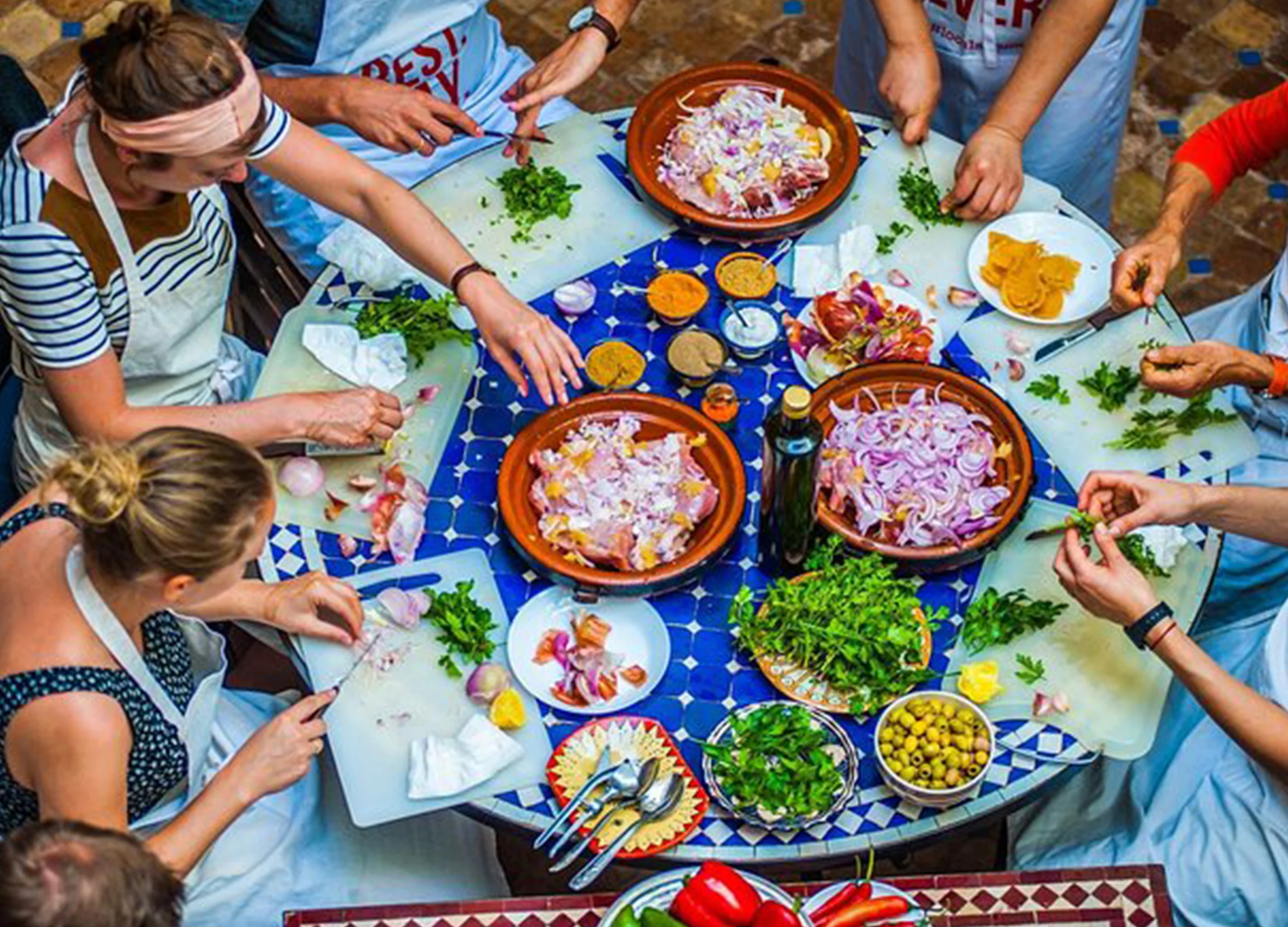 Moroccan Cooking Class in Marrakech – Discover the Flavors of Morocco
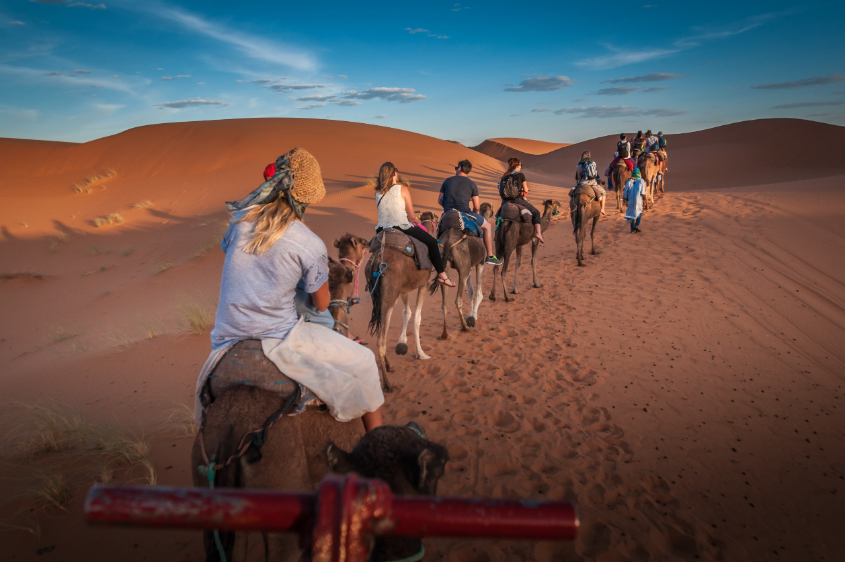 Agafay Desert Dinner Show with Sunset Camel Ride
Tell us what you have in mind and we'll build a private itinerary around it.
Get a Free Quote


