Quick answer: Yes — Morocco is one of the easiest halal holiday destinations in the world. Around 99% of Moroccans are Muslim, meat served in local restaurants is halal by default, there is a mosque in every neighbourhood, the call to prayer sounds five times a day, and you can choose alcohol-free riads, villas with private pools and fully private family tours.
Morocco is a natural fit for travelers from the Gulf: it is a majority-Muslim country where halal food is the default rather than the exception, modest dress is culturally normal rather than something to explain, and family-oriented travel is well understood, which together make it one of the more comfortable long-haul destinations for GCC citizens to plan without extra research.
Nearly all restaurants in Morocco serve halal food as standard, since Islam is the majority religion; alcohol is served in some tourist hotels and restaurants but is easy to avoid entirely if you prefer, and it is never assumed or defaulted into a meal. Traditional dishes like tagine, couscous and grilled meats align closely with familiar Gulf dining habits, and our Moroccan food guide covers the dishes worth prioritizing on a first visit.
Entry policies vary by GCC nationality and can change, so confirm current requirements — visa-free access, visa-on-arrival, or an advance visa — with Morocco's official tourism authority or the nearest Moroccan consulate before booking flights. Our general Morocco visa guide by country is a useful starting reference, though it's worth a final check close to your travel date given how these policies can shift.
Direct and one-stop flights connect major Gulf cities — Dubai, Doha, Riyadh, Kuwait City, Abu Dhabi — to Casablanca and, on some routes, Marrakech, with total travel time typically 7-9 hours depending on routing. This is considerably shorter than the journey most Western travelers make, making Morocco a relatively easy long-haul option from the Gulf.
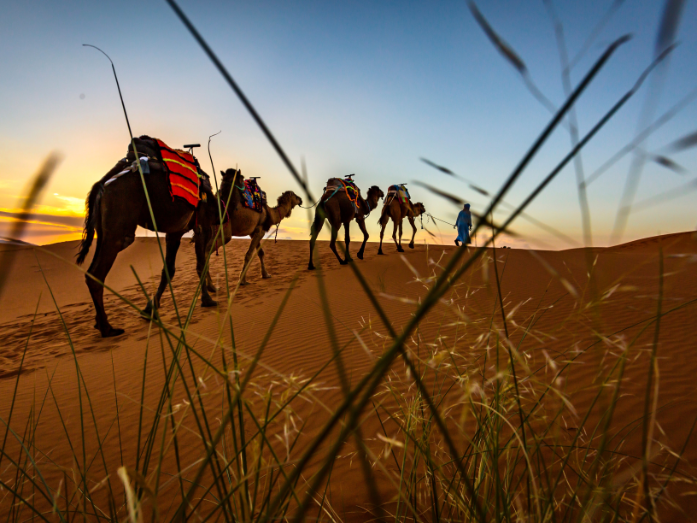
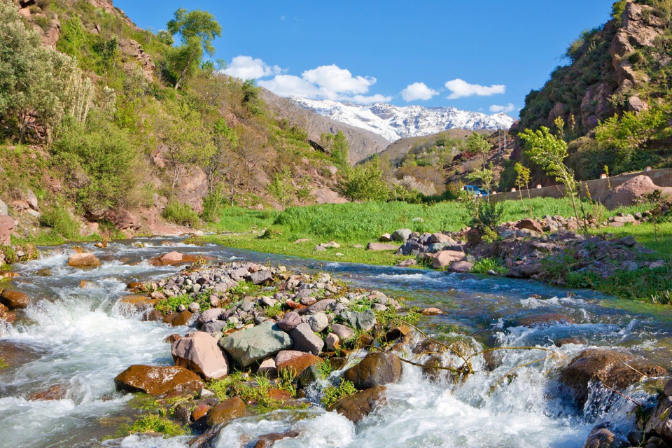
Nature and cultural day trips close to Marrakech, such as a Berber village and valley excursion, tend to appeal strongly to families looking for a change of scenery without a demanding itinerary. Combining a city stay with a desert night under the stars is also popular, echoing the appeal of desert landscapes familiar from home but with a distinctly Moroccan character. See Morocco's official tourism portal for further trip planning resources.
Almost everything you will eat in Morocco is halal. Lamb, beef and chicken sold by Moroccan butchers and served in local restaurants, cafés, food stalls and riads are slaughtered according to Islamic rules as a matter of course — there is no need to look for a halal sign. Pork is very rare and is only found in a few international supermarkets and foreign-run restaurants, where it is labelled. Large supermarkets keep alcohol in a separate, clearly marked section. The only places to double-check are international hotel chains and foreign cuisine restaurants in Marrakech, Casablanca and Agadir: ask the staff and they will tell you.
| What you need | In Morocco | Tip |
|---|---|---|
| Halal meat | Standard everywhere | Tagine, couscous, mechoui and grills are all halal |
| Prayer facilities | Mosques in every town | Ask your riad for the nearest mosque and prayer times |
| Alcohol-free stay | Available on request | We book alcohol-free riads and family hotels |
| Private pool / privacy | Riads and villas | Ideal for families and women travelling together |
| Arabic-speaking guide | Yes | Our team speaks Arabic, French and English |
| Modest dress | Normal and respected | Light, loose clothing works in all seasons |
Ramadan 2027 is expected to begin around 8 February 2027; the official date is announced by Morocco's Ministry of Habous and Islamic Affairs after the moon sighting. During Ramadan Morocco moves its clocks back to GMT, many local cafés close during the day in smaller towns, and evenings come alive with ftour (iftar) — harira soup, dates, chebakia and msemen. Tourist sites stay open, often with shorter hours. Spending the last days of Ramadan and Eid with a Moroccan family is a memorable experience; ask us to include a home-hosted ftour in your private itinerary.
A private, family-paced itinerary built around halal dining and comfortable accommodation removes most of the planning uncertainty for Gulf travelers visiting for the first time.
Book our Ourika Valley & Berber Cultural Experience, a relaxed nature escape with a halal lunch included, well suited to families.
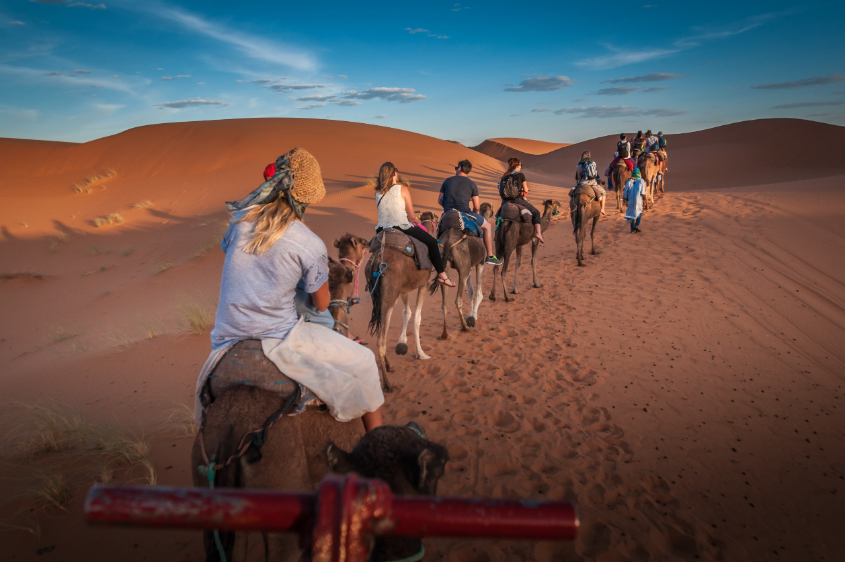 3-Day Private Luxury Sahara Tour: Marrakech to Merzouga Desert via Dades Valley
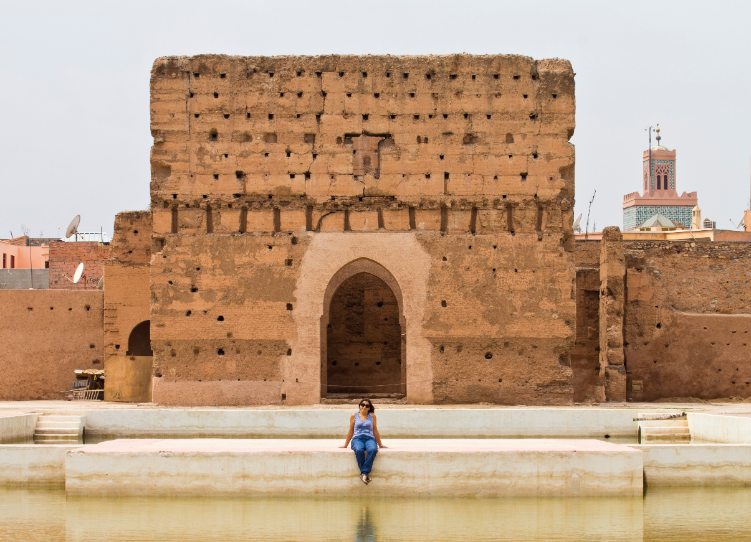 Marrakech in a Day: Private Guided Cultural City Tour
 Agafay Desert Day: Quad, Camel Ride & Dinner Show
Tell us what you have in mind and we'll build a private itinerary around it.
Get a Free Quote